Workshopping the Disaster
The disaster takes care of everything. So riffed the philosopher and faithless mystic Maurice Blanchot in The Writing of the Disaster (L’Écriture du désastre), a book I pore over in wobbly moments. Blanchot spent the late 1970s writing this fragmentary masterpiece, secluding himself in a provincial suburb southwest of Paris. In recent summers, I have been returning to Blanchot again and again, drawn to his dauntless sensitivity, his obsessive need to muddle the boundaries between life and death, presence and absence, solitude and belonging. Blanchot is a writer of limits, those of language, sacrifice, forgiveness itself. I turn to him to make better sense of mine. If Lewis Michaux, the Pan-African pantheon, and teenage immersion into hotepery taught me anything, it was that knowledge is power. Blanchot reminds me that it’s also a kind of horror.
“It is not you who will speak; let the disaster speak in you, even if it be by your forgetfulness or silence.”
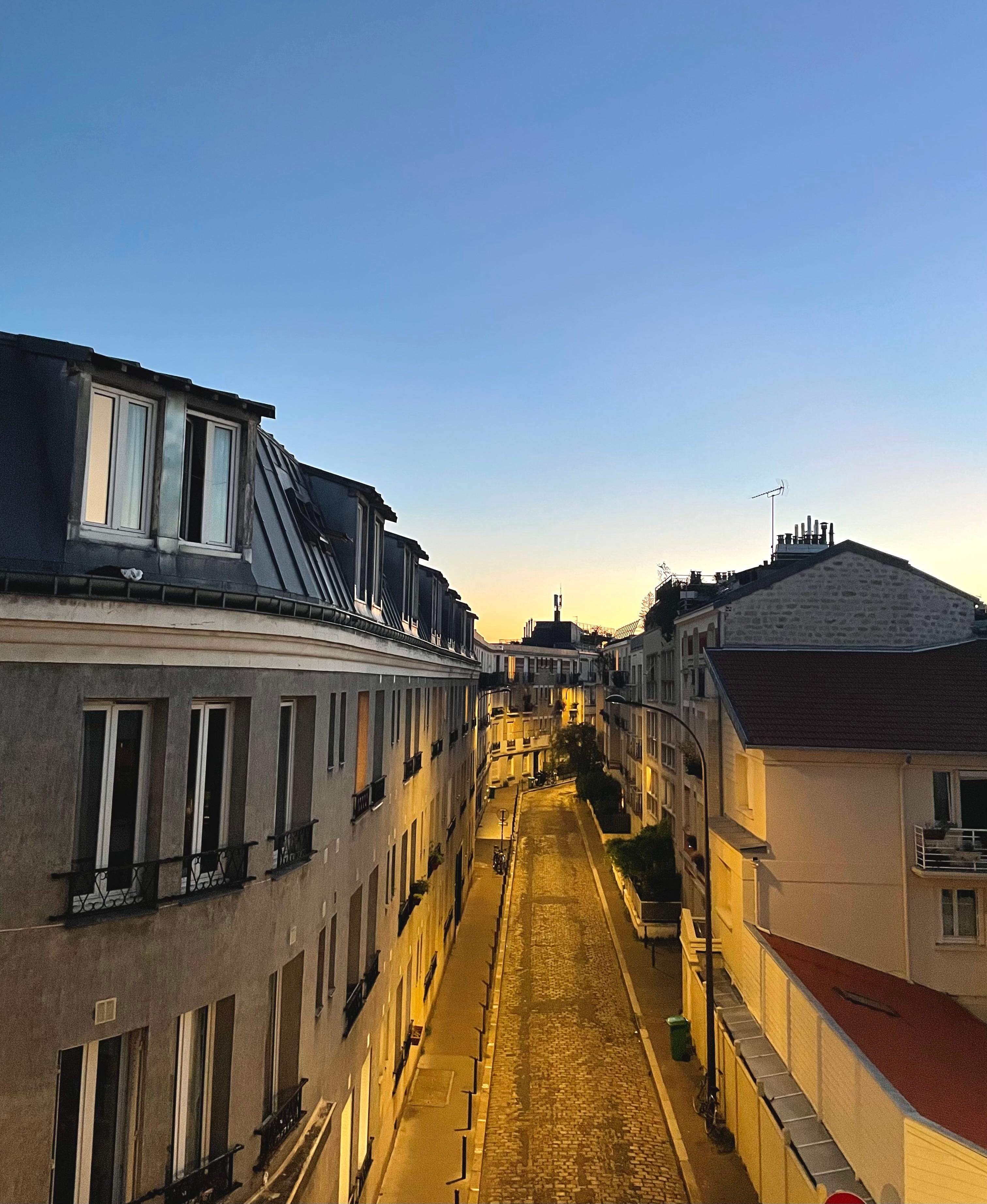
Number 48. I have a faint memory of walking past this door on Rue Madame, along the left shank of Paris. Following his mother’s death, Blanchot lived at this address. Preferring invisibility, he was a reclusive figure in a neighbourhood swarming with intellectuals. Camus spent the last years of his life on Rue Madame. (Number 29, to be exact). Sartre and de Beauvoir frequented local haunts. The plaque at number 46 marks the former home of artist and resistance fighter Sabine Zlatin, who struggled desperately to save Jewish children from the death camps of Europe. Tree-lined and hushed, the street is a post-Haussmannian reverie, all limestone façades, tucked-away courtyards, ornate doors and lion-headed chasse-roues. Paris can be oppressively beautiful, even more so when you’re somewhat lost and in a state of twentysomething unease. My memories are non-committal, but I still circle similar questions.
How do you write through states of emergency and exception? Beyond the doomscroll and the din of the commentariat, how can we, as writers and people, confront crisis as a political and emotional fact? There’s a mundane regularity to it, this thing we describe as the crisis, the epoch-ending catastrophe, the disaster. It arrives every morning. It greets us with the rapport of a friend. It leaves us no other choice but to write. One disaster supplants another, feeds what is ongoing. Some measure in years, regimes, and administrations, others in centuries. I think of another Parisian stroll by way of a Frank O’Hara poem, a brief leafless moment, this time from Saint Germain to the Pont Mirabeau. (God, I love a good bridge). O’Hara’s Meditations in an Emergency becomes a place to begin. He was, after all, the bard of urban anxiety. The knob turns, and enjoyment is there to be found in a blade of grass. Our veins are clogged with a nostalgia for a future that was always unevenly promised. The emergency is already here. For many of us, it’s a point of emergence, an ecstasy “always bursting forth”, the original wound/s we compulsively pick at. I can point to mine, but I’m curious about yours.
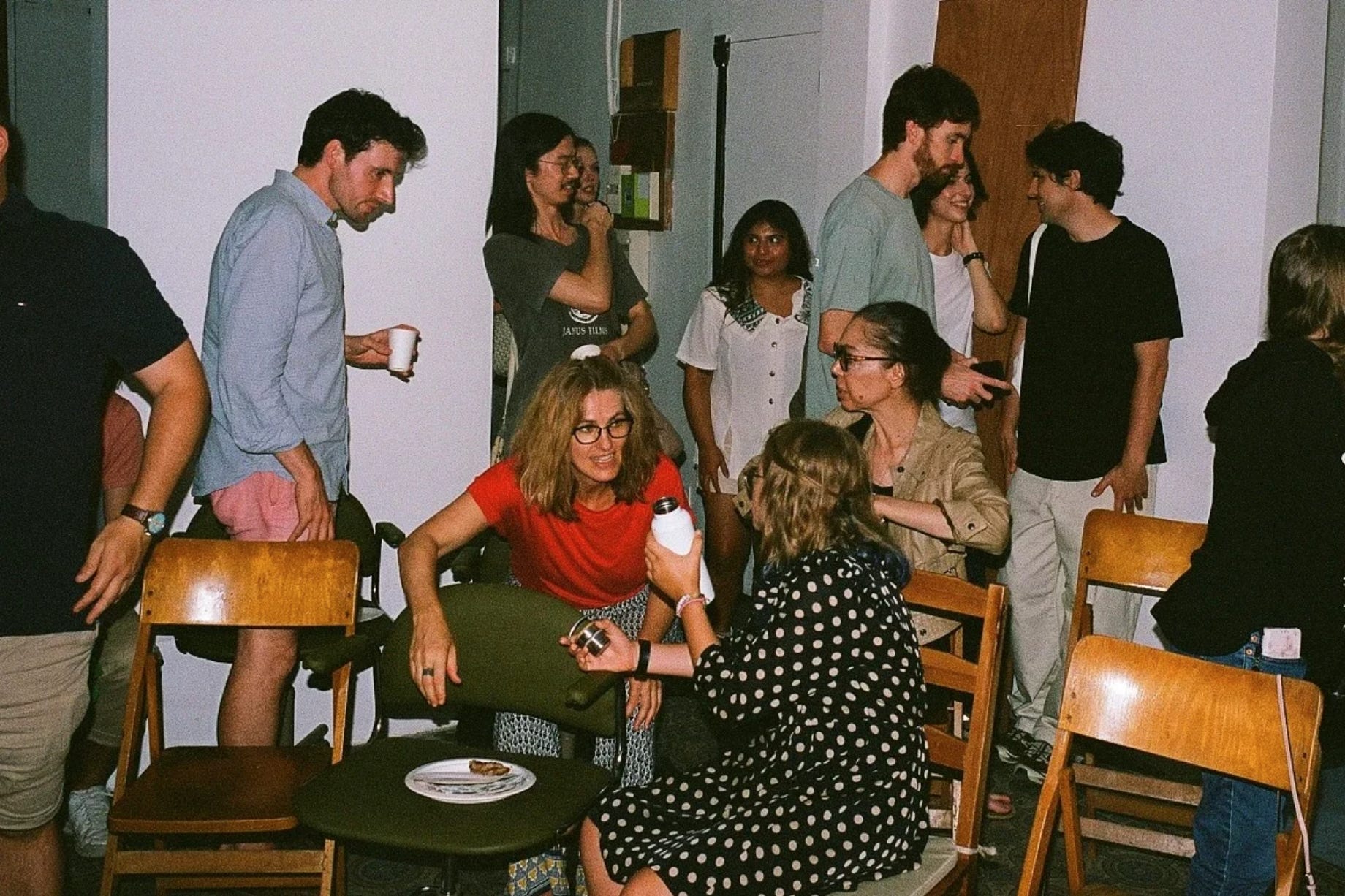
I will be leading a three-day workshop in Paris this summer. Meditations in an Emergency will take place on July 3-5. You can sign up now. Come join me at Atelier Rose, a warm and welcoming arts space and creative community for Anglophones in Paris. The focus? How to maintain an independence of vision during urgent, unpredictable times. How to develop a writing practice that can adequately and disruptively speak to our moment without being swallowed up by it. No pressure. Really, this is a chance to experiment across form and genre, writing against and through our contemporary reality of live-streamed, algorithm-mediated crises.
Nitty-gritty aside, this will also be a chance to natter, argue, lob bad jokes, ask questions that aren’t really questions, lean on intuition and inquiry, and generally make curious fools out of ourselves in the pursuit of courage. We can also share a plate of yassa from a nearby spot, catch a game of footie, and yes, soak up the 20th arrondissement. Show me the disaster-shaped hole in your thinking, and let’s get some drinks after.
If you can’t make it in the flesh, please share this with Parisian friends who may be interested. This could also be a brain-massaging pit stop for those of you planning yet another Euro summer. I would love to see you there.
Ta till then.